

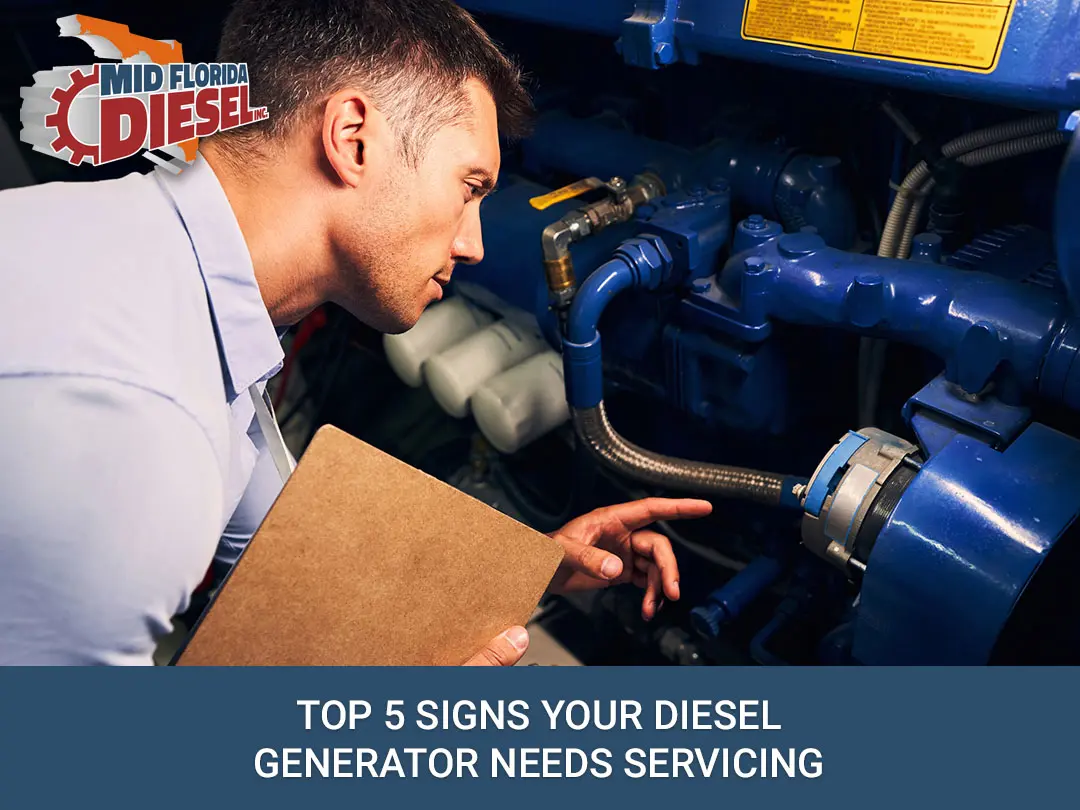
Reliable backup power is a critical component of operational continuity for commercial facilities, healthcare institutions, industrial sites, and residential properties. Diesel generators are designed to perform under demanding conditions, but their dependability depends on consistent inspection and servicing. Ignoring early warning signs can result in costly breakdowns, unexpected downtime, and potential safety hazards.
Property owners and facility managers can act promptly by understanding the indicators that require service. A proactive approach to diesel generator maintenance extends equipment lifespan and preserves performance when power is needed most.
Difficulty Starting or Failure to Start
One of the clearest signs that you need service is when you have trouble starting up. It shouldn’t take much cranking for a diesel generator to start and reach a steady operating speed. If the system hesitates, stops, or won’t start at all, you may need to fix mechanical or electrical problems.
Common causes include low battery power, problems with fuel delivery, clogged filters, or faulty glow plugs. Regular maintenance of diesel generators addresses these problems by inspecting, testing, and replacing worn parts. Early intervention prevents engine damage from worsening and reduces the risk of an emergency failure.
Unusual Noises or Vibrations
It’s normal for diesel engines to make noise while they work, but you shouldn’t ignore sudden changes in noise levels or vibration patterns. If you hear knocking, grinding, or rattling, it could mean that parts inside are wearing out, hardware is loose, or rotating assemblies are out of balance.
Too much vibration can also harm connected systems, potentially damaging mounts, wiring, or nearby structures. A trained technician can identify the source of strange noises and adjust alignment, lubrication, and balance. Routine maintenance includes checking torque and structural components to reduce long-term wear.
Visible Exhaust Smoke or Fuel Odors
Exhaust emissions can tell you a lot about how well a generator is working. It’s normal for a little smoke to come out when you start up, but if the smoke is black, white, or blue and doesn’t go away, it could mean the combustion process or the fuel system isn’t working properly.
Black smoke is often a sign that the combustion process isn’t finished or that the air intake is blocked. White smoke could mean the fuel isn’t burning, and blue smoke could mean oil is being burned. If you smell fuel around the generator, it could indicate leaks that affect performance and safety.
Testing the fuel system, cleaning the injectors, and checking the air filters are all important parts of full diesel generator maintenance. Addressing these problems promptly keeps the engine running well and in compliance with environmental regulations.
Fluid Leaks and Low Levels
Engine oil, coolant, and fuel are just a few of the fluids that diesel generators need to work properly. If there are leaks under the unit or the fluid levels are dropping between service intervals, you need to take action right away.
Worn-out gaskets or seals can cause oil to leak. If coolant leaks, the engine can overheat, significantly shortening its life. Fuel leaks are dangerous and make things run less efficiently. Scheduled inspections find these problems early and stop them from getting worse.
Maintaining the proper fluid levels and replacing worn lubricants are two of the most important parts of a diesel generator’s maintenance program. Regular checks ensure that important parts function within the manufacturer’s specifications.
Warning Lights and Control Panel Alerts
Digital control panels on modern generators monitor system performance in real time. Never ignore alerts about temperature, oil pressure, voltage problems, or runtime hours.
These alerts aim to help you identify issues before they escalate. If you don’t pay attention to them, they could cause automatic shutdown while the machine is running or long-term damage to the parts. Professional technicians use diagnostic tools to read fault codes and take the right steps to fix the problem.
In places like Florida, where severe weather and high humidity levels put extra stress on power systems, regular monitoring is especially useful. Failure to adhere to service intervals can accelerate wear due to environmental conditions.
Frequently Asked Questions About Diesel Generator Maintenance
How often should diesel generator maintenance be performed?
Service intervals vary depending on usage, manufacturer recommendations, and operating environment. Many systems require inspection every six months, with additional servicing after extended runtime.
Can a generator run without regular maintenance?
While a generator may operate temporarily without servicing, neglect increases the likelihood of failure. Preventive diesel generator maintenance reduces unexpected downtime and protects long-term investment.
What happens if warning signs are ignored?
Ignoring early indicators can lead to engine overheating, fuel system damage, electrical failure, or complete system breakdown. Repairs are typically more costly than routine service.
Is professional servicing necessary?
Qualified technicians possess specialized tools and training to accurately inspect, diagnose, and repair diesel engines. Professional oversight ensures compliance with safety standards and performance guidelines.
Protecting Your Power Investment
Diesel generators are designed for durability, but even the most robust systems require attention. Recognizing the top five signs of needed servicing allows property owners to respond before minor concerns escalate into major disruptions.Organizations seeking dependable support for diesel generator maintenance in Florida can rely on experienced professionals such as Mid Florida Diesel. Structured maintenance programs, thorough diagnostics, and timely repairs help ensure uninterrupted power when it matters most.
Picture Credit: Depositphotos