

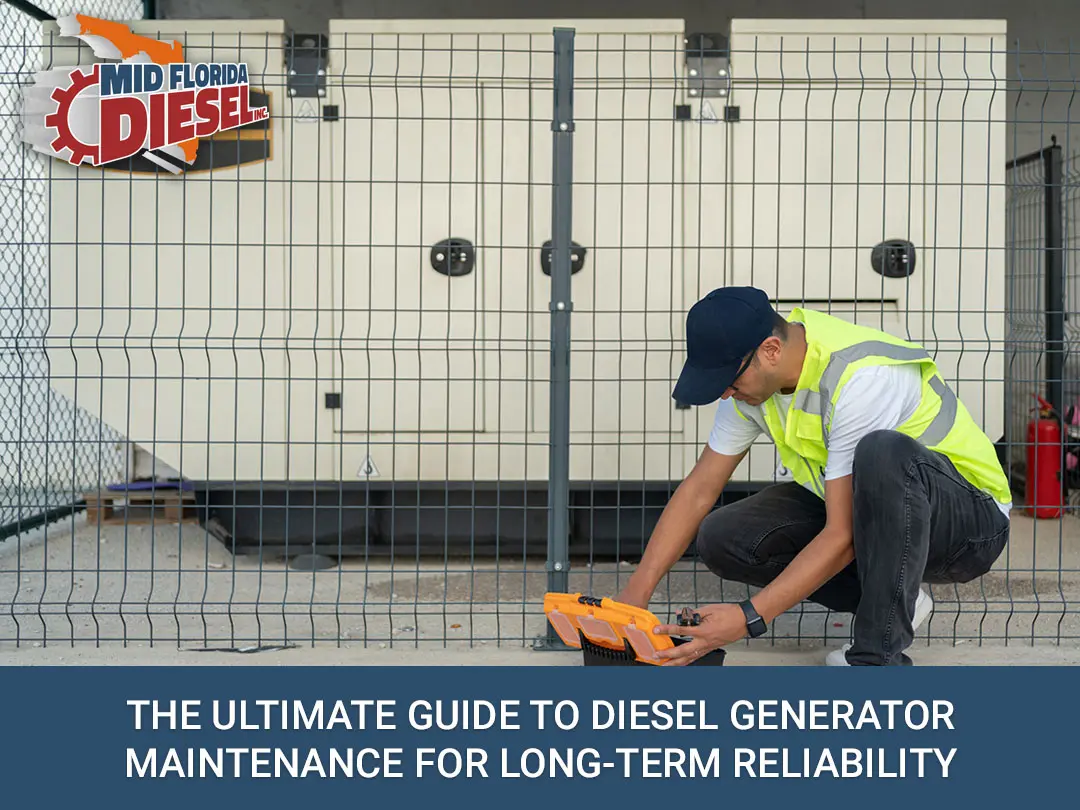
Reliable backup power depends on consistent care and planning, especially in Florida, where weather conditions and grid disruptions can place heavy demands on equipment. Diesel generator maintenance is not a one-time task. It is an ongoing process that protects performance, extends service life, and reduces the risk of unexpected failure. A structured maintenance approach helps ensure that generators are ready when they are needed most.
Why Preventative Maintenance Matters
Preventative maintenance is all about finding problems before they cause the system to break down. Diesel generators work when there is a lot of load on them, and they need many mechanical and electrical parts to work together. If you don’t regularly check and service your equipment, small problems can turn into expensive repairs or even a complete shutdown.
Maintenance also helps keep things safe while they are in use. Well-maintained systems are less likely to leak fuel, overheat, or experience electrical problems. Consistent care over time makes power generation equipment more reliable and protects the investment in it.
Routine Visual Inspections
Routine visual checks are the first step in maintaining a generator. Technicians should look for signs of wear, corrosion, or fluid leaks on the unit. Hoses, belts, and wiring connections should appear safe and undamaged.
It’s also important to check for trash around places where air can flow. Limited airflow can cause things to become too hot and work less well. Visual inspections can reveal early warning signs that enable corrective action before performance drops.
Fuel System Maintenance
The performance of diesel generators depends a lot on the quality of the fuel. Over time, diesel fuel can go bad or get dirty with water and bacteria. You should check your fuel tanks regularly and test the fuel to ensure it is stable and clean.
To keep fuel filters from clogging and damaging injectors, they need to be replaced regularly. Cleaning the fuel system ensures consistent combustion and reduces stress on engine parts.
Lubrication and Oil Care
Engine oil keeps moving parts from rubbing against each other and helps keep the engine at the right temperature. You should check the oil level regularly and change it according to the manufacturer’s instructions or your usage.
Analysis of used oil can tell you how healthy your engine is. This process identifies contaminants or unusual wear patterns so maintenance teams can resolve problems before they worsen. Proper lubrication reduces friction and extends engine life.
Cooling System Checks
When diesel generators are running, they produce significant heat. To keep the system from overheating, the cooling system needs to work well. Monitor coolant levels and inspect hoses for leaks or weak spots.
You need to clean radiators and heat exchangers regularly to remove dirt and buildup. A well-maintained cooling system helps keep the generator running smoothly for extended periods.
Battery and Electrical System Testing
The battery provides the generator with the power it needs to start. A lot of the time, generators stop working because their batteries are weak or dead. Regularly testing the battery ensures that the charge levels and connections are correct.
You should also test electrical components such as sensors, control panels, and transfer switches. To ensure the generator turns on when the power goes out, check that communication and responses are working.
Load Testing and Operational Checks
To verify how well a generator works, it is important to run it under load. Load testing ensures the system can handle the expected load without overheating or losing power.
Monitoring exhaust, noise, and vibration levels should be part of operational checks. Unusual changes may indicate mechanical issues requiring repair. Scheduled tests ensure everything is ready and identify performance problems early.
Record Keeping and Scheduling
Accurate maintenance records support long-term reliability. Keeping records of inspections, repairs, and test results helps you see patterns and plan future service.
Maintenance schedules should follow the manufacturer’s instructions and the business’s needs. Regular maintenance keeps things running smoothly and helps meet safety standards.
Frequently Asked Questions About Diesel Generator Maintenance
How often should a diesel generator be serviced?
Service frequency depends on usage and environment. Most systems require monthly inspections and annual comprehensive maintenance.
Can generators sit unused for long periods?
Extended inactivity can cause fuel degradation and battery failure. Periodic operation and testing are recommended.
Is professional maintenance necessary?
Professional service ensures proper diagnostics, compliance, and safe handling of complex components.
What is the most common cause of generator failure?
Battery issues and fuel system problems are among the most frequent causes of failure.
Does maintenance improve generator lifespan?
Yes. Regular maintenance significantly extends equipment life and improves reliability.
A disciplined maintenance program is the foundation of dependable power generation. For facilities across Florida, diesel generator maintenance supports operational continuity and protects critical systems. Organizations seeking experienced service and preventive care can rely on Mid Florida Diesel for professional maintenance solutions that deliver long-term performance and peace of mind.
Picture Credit: iStock